Could a Tiny Home Be Enough for Your Family? 5 FAQs About Tiny Houses

A tiny home can work for a family, but only if the space matches how that family actually lives. Before falling for those adorable tiny-home tours, ask yourself one question: could your family happily share a home where every square foot has a job? It sounds simple, but the answer depends on routines, ages, storage habits, and how much personal space everyone needs. A tiny house can feel cozy, or it can feel like a very expensive game of Tetris.
How Small Is Too Small for a Family?
There is no magic square-footage number that works for every household. A family with young children may manage a compact layout more easily than a household with teenagers who want privacy. The floor plan matters just as much as the total size. Clever sleeping areas, flexible furniture, and useful vertical storage can make a small home feel surprisingly capable. Still, there is a limit. If people are constantly stepping over each other, fighting for bathroom time, or hunting for somewhere to put backpacks, the charm can disappear quickly.
Can Everyone Have Enough Privacy?
Privacy is probably the biggest question for families considering tiny living. Some homes use loft bedrooms, sliding doors, curtains, or separate sleeping zones to give everyone a little breathing room. These features can help, but they do not magically create another room. A teenager who wants to video chat with friends at midnight may have very different expectations from a five-year-old who thinks privacy means closing a curtain. Talk honestly about personal space before making a move. Who needs quiet time? Who wakes up early? Who works or studies at home? If your family already enjoys spending most of its time together, compact living may feel natural. If everyone needs a private corner, the layout needs serious attention.
Where Does All the Family Stuff Go?
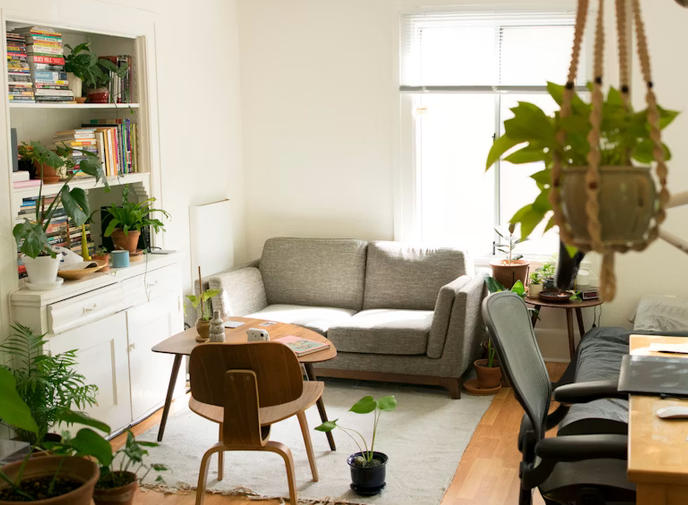
This is where tiny homes can expose our shopping habits. Families collect shoes, toys, sports equipment, school supplies, kitchen gadgets, and approximately 400 water bottles nobody remembers buying. Storage therefore needs to be part of the home from the beginning. Built-in cabinets, storage beds, hooks, benches, and tall shelving can make a major difference. But storage alone cannot solve everything. A smaller home usually requires regular decisions about what stays and what goes. That can be refreshing, especially if clutter already makes your current home feel stressful. It can also become annoying if your family loves keeping every craft project since 2017.
How Does Family Life Change in a Tiny House?
Small living can encourage families to spend more time together. Meals happen closer together, conversations can happen spontaneously, and shared spaces often become the center of the home. You may also spend more time outdoors because the house simply cannot contain every activity. That can be a lovely shift if your family enjoys parks, gardens, walks, or community spaces. The tradeoff is that mess becomes visible fast. One pile of laundry can suddenly look like a major interior-design event. Cleaning, organizing, and respecting shared spaces become daily habits rather than occasional chores. For some families, that structure feels liberating. For others, it may feel like too much work.
So, Could a Tiny Home Work for Your Family?
The right question is not simply, “Can we fit?” Ask, “Can we live well here?” Consider your family size, privacy needs, storage demands, routines, and plans for the next few years. Children grow, hobbies change, and the cute loft that works today may feel very different later. A tiny home can offer lower maintenance, fewer possessions, and a stronger connection between family members. But small living should support your life, not make every day harder. Before committing, test the idea honestly. If your family can share space without feeling squeezed, a tiny house might be plenty.…